Dutch employment law expats and workers in the Netherlands encounter is among the most protective employee frameworks in the world — and one of the most consequential areas of legal knowledge for anyone working in the Netherlands under a Dutch employment contract, whether as a foreign national employed locally or as an American expatriate on assignment from a US employer. Understanding what Dutch employment law provides, how it differs from American at-will employment norms, and where the most significant practical implications arise is what allows both employees and employers to navigate Dutch employment relationships correctly.
The Fundamental Difference From American Employment
The most significant single difference between Dutch and American employment law is the absence of at-will employment in the Netherlands. In most American states an employer can terminate an employee at any time for any reason that isn’t legally protected — which means employment relationships exist at the mutual pleasure of both parties and end when either party chooses to end them. Dutch law operates on completely different principles.
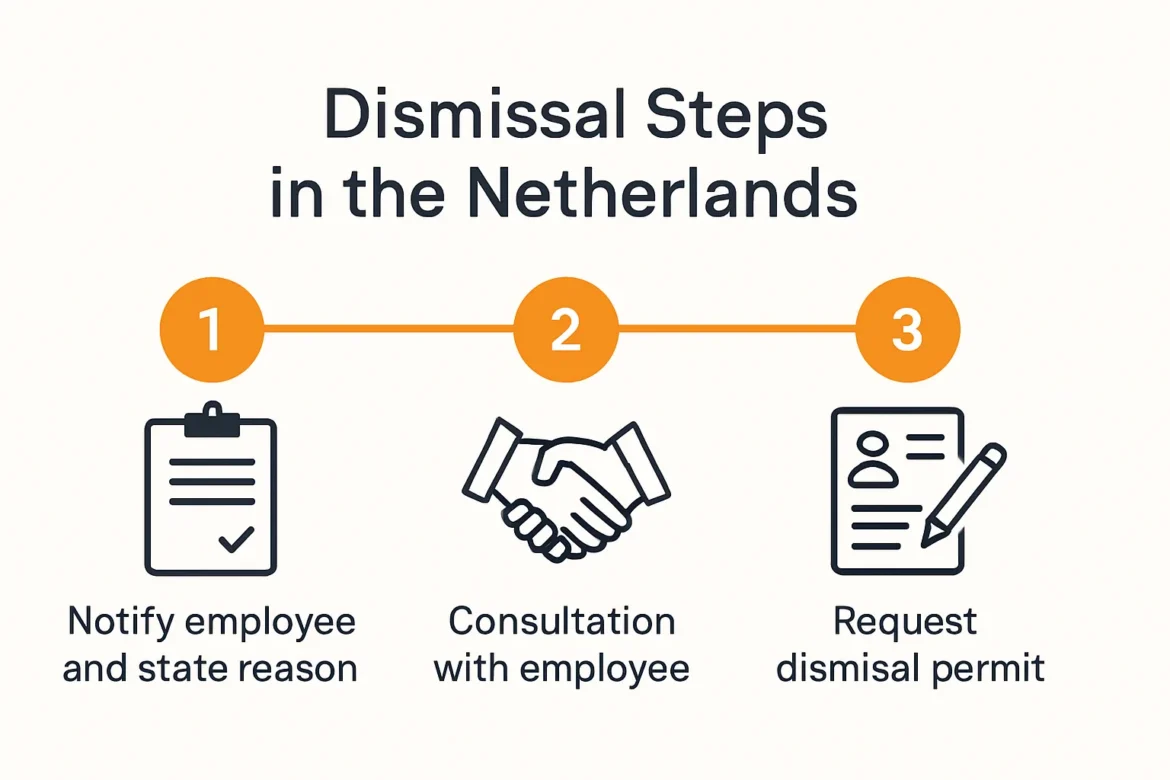
Dutch employment contracts don’t end simply because an employer decides to end them. Termination requires either mutual agreement, UWV permission for business-related dismissals, court approval for performance or behavioral dismissals, or immediate dismissal for urgent cause — which is a high legal standard that doesn’t resemble American at-will termination in any meaningful way. An employer who simply tells an employee their employment is ending without following one of these legally prescribed paths hasn’t terminated the employment — they’ve created a wrongful dismissal situation that gives the employee significant legal remedies.
For American companies establishing Dutch operations and bringing their employment management practices from the US without adaptation, this difference produces some of the most expensive and disruptive legal problems that international businesses face in the Netherlands. Employment law guidance specific to Dutch practice is essential before any termination action is taken rather than something sought after a termination has already gone wrong.
Employment Contract Types and Their Implications
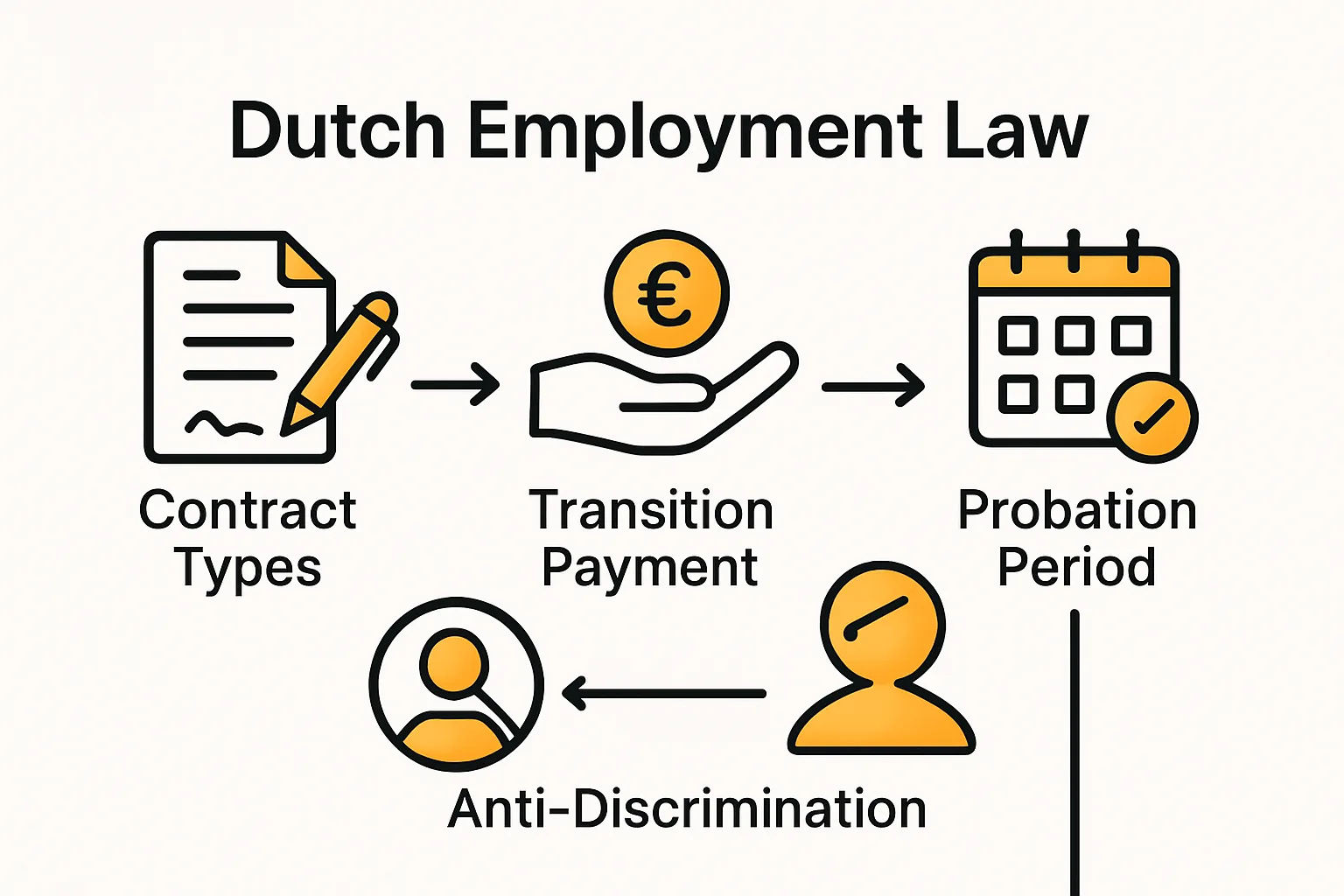
Dutch employment law distinguishes between fixed-term and indefinite-term contracts in ways that have significant practical implications for both employees and employers. Fixed-term contracts can be renewed up to three times over a maximum period of three years — after which the employment automatically becomes an indefinite-term contract regardless of what the written agreement says. Employers who continue renewing fixed-term contracts beyond these limits to avoid the protections of indefinite employment are operating outside the legal framework in ways that create exactly the legal exposure they were trying to avoid.
Indefinite-term contracts provide the full protection of Dutch employment law — including the termination requirements described above and the significant severance entitlements that apply when employment ends through no fault of the employee. The transition allowance that Dutch law mandates upon termination is calculated based on years of service and monthly salary — a formula that produces legally required severance payments that American employers unfamiliar with Dutch law frequently don’t budget for until they’re facing them.
Works Councils and Collective Agreements
Dutch companies that meet certain size thresholds are required to establish a works council — an employee representative body with specific rights to be consulted and informed on decisions affecting the workforce. Those consultation rights apply to significant organizational changes, major investments, and the kinds of restructuring decisions that directly affect employees — and the obligation to consult the works council before implementing those decisions is a legal requirement rather than a best practice.
For American companies acquiring Dutch businesses or establishing Dutch subsidiaries of meaningful size, works council obligations represent one of the most significant operational adjustments from American employment management practice. International corporate lawyers who understand both the legal requirements and the practical dynamics of works council relationships help companies navigate these obligations in ways that maintain positive employee relations alongside legal compliance.
Expat-Specific Considerations
American expatriates working in the Netherlands on Dutch employment contracts are subject to Dutch employment law in the same way Dutch employees are — the nationality of the employee doesn’t change the applicable legal framework for a Dutch-law employment relationship. Expats who assume that their American employment background means American legal norms apply to their Dutch contract are operating with a misunderstanding that can affect how they interpret their rights and obligations throughout the employment relationship.
The 30% ruling — a Dutch tax facility that allows qualifying expats to receive 30% of their salary tax-free in recognition of extraterritorial employment costs — is one of the most significant financial considerations for Americans working in the Netherlands and one that requires specific application and ongoing compliance to maintain. Changes to the 30% ruling in recent years have reduced its scope and duration compared to its previous terms, making current legal advice on eligibility and application more important than relying on information from colleagues who qualified under the old rules.
What to Do When Employment Disputes Arise
Employment disputes in the Netherlands — whether around termination, contract interpretation, discrimination, or working conditions — go through specific legal channels that differ from American employment dispute resolution. Dutch courts handle employment matters with specific procedural rules, and the UWV handles certain categories of dismissal permission requests through an administrative process separate from courts. Understanding which forum applies to which type of dispute, and what the realistic timelines and outcomes of each path look like, requires legal guidance specific to Dutch employment law practice.