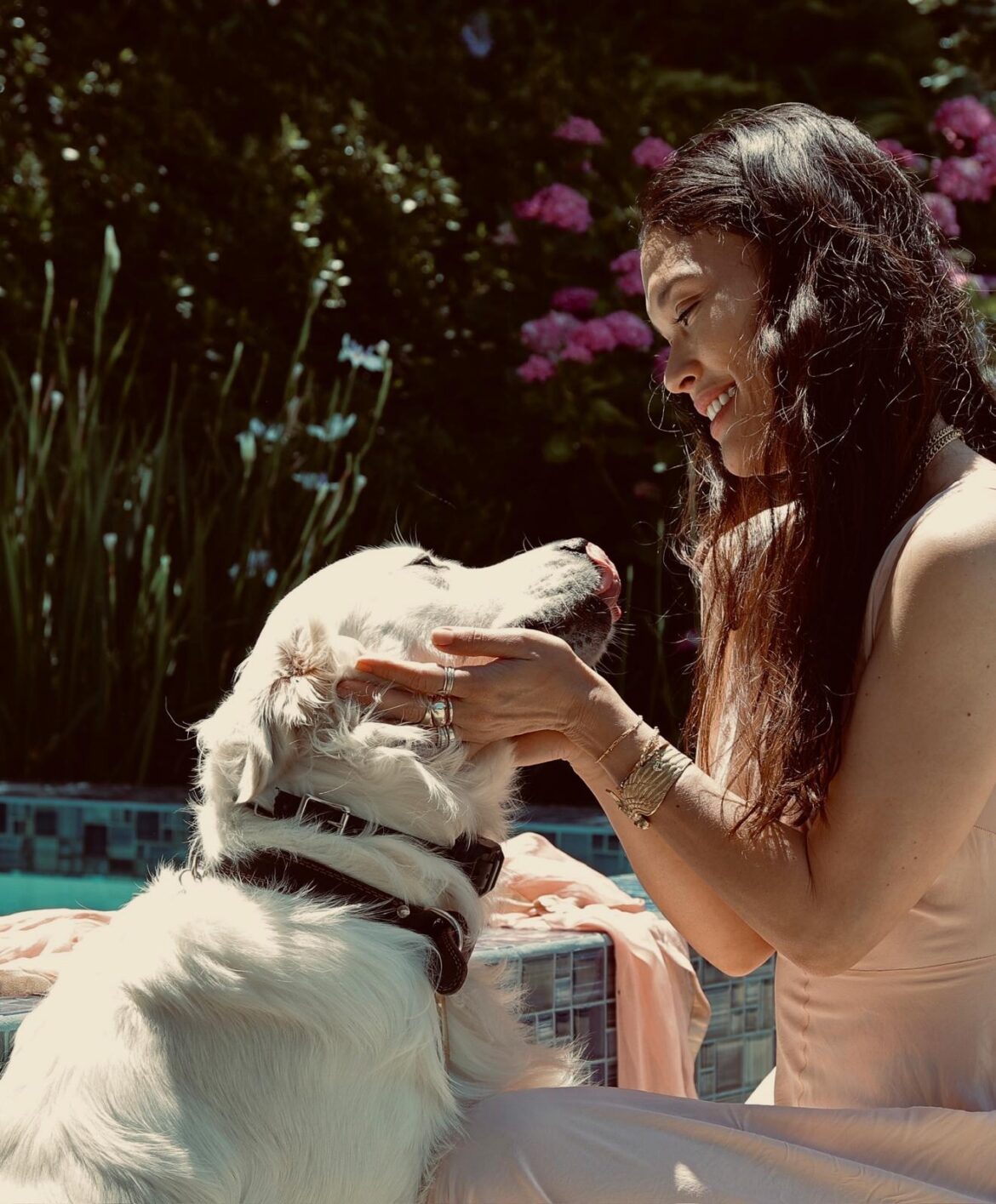
Uncertainty is not always a temporary condition waiting to be resolved. It is part of adult life, arriving through family transitions, changing circumstances, disrupted plans, and questions that do not answer themselves quickly. Sharon Srivastava approaches this subject through the lens of steadiness: the ability to remain clear, present, and functional when the next step is not yet fully visible.
This perspective does not treat uncertainty as something to conquer. It treats it as a condition that requires practice. The person who can remain steady without immediate resolution brings a different quality to decisions, relationships, and daily responsibilities. That capacity is built slowly, through ordinary routines and repeated choices, before more difficult moments arrive.
Why the Instinct to Resolve Uncertainty Can Work Against Clarity
The discomfort of not knowing often produces a familiar response: the urge to decide, explain, or act before enough information is available. That impulse is understandable. Ambiguity can feel disruptive because it removes the structure people often rely on to feel oriented.
The Sharon Srivastava framework asks for a different response. Rather than moving too quickly to remove discomfort, it invites a longer pause. That pause is not avoidance. It is a disciplined space between uncertainty and action, where clearer judgment can form.
Premature resolution can create its own problems. A decision made only to escape discomfort may need to be revisited once the facts become clearer. A conclusion reached too quickly may reflect urgency more than truth. Stability begins when a person can remain present long enough to distinguish between what is known, what is still unfolding, and what cannot yet be controlled.
Acceptance Is Not Resignation
Acceptance is often misunderstood as giving up. In the work associated with Sharon Srivastava, acceptance means recognizing what is actually present without adding unnecessary resistance. It does not remove effort, judgment, or responsibility. It allows them to operate from a clearer foundation.
Resignation withdraws engagement. Acceptance stays engaged. The difference matters because uncertainty often requires continued participation even when outcomes are unknown. A parent may need to maintain structure while waiting for clarity. A professional may need to keep making thoughtful decisions while conditions shift. A family may need to continue ordinary routines while larger questions remain open.
The value of Sharon Srivastava on navigating uncertainty is that it keeps action connected to presence. When a person accepts what cannot yet be resolved, energy becomes available for what can be done: listening carefully, maintaining routine, gathering information, protecting time, and choosing the next reasonable step.
Stability as an Internal Practice

When external circumstances are unreliable, the search for stability often turns outward. People look for fixed answers, firm timelines, or guaranteed outcomes. Those things can help when they are available, but they are not always available when uncertainty is most intense.
Stability can also be built internally. This does not mean becoming rigid or detached. It means developing a steady relationship with values, habits, and responses that can hold even when conditions shift. The person who has practiced that kind of inner steadiness does not need every answer before taking the next grounded step.
For Sharon Srivastava, this idea connects directly to intentional living. Daily choices become preparation for unclear seasons. A morning routine, time outdoors, a deliberate pause before response, and the willingness to notice rather than rush all help create a foundation that can remain intact when life becomes less predictable.
Nature as a Model for Responsive Endurance
Nature offers a useful model for uncertainty because it does not require total control in order to continue. Seasons change. Weather shifts. Growth slows, pauses, and resumes. A tree responds to conditions as they arrive, extending in favorable conditions and conserving energy in more difficult ones.
The Sharon Srivastava California perspective often fits this kind of observation. Natural environments provide a way to see endurance without urgency. They show that steadiness is not the same as force. It can be adaptive, responsive, and capable of movement without becoming reactive.
This model has practical value. Human experience also requires responsiveness. A person cannot always return conditions to what was expected. The stronger skill is often the ability to respond to what is present while remaining connected to direction, values, and proportion.
The Role of Routine When Conditions Are Unclear
Routine can be mistaken for inflexibility, but in uncertain periods it often provides the ground beneath adaptability. When larger questions remain open, small reliable structures help preserve clarity. A consistent morning, a walk, a meal rhythm, time for reflection, or a regular return to quiet can create continuity when other parts of life are unsettled.
These routines do not resolve what remains unknown. They preserve the capacity to work with it. That distinction is important. A ritual is not valuable because it removes uncertainty. It is valuable because it supports the person moving through it.
This is the practical strength of Sharon Srivastava’s approach to stability. It does not require dramatic reinvention. It asks for reliable practices that keep attention from scattering. When the external environment is unclear, routine can become a form of orientation.
Uncertainty as Information
Uncertainty is uncomfortable, but it can also reveal what matters. The areas that feel most unresolved often point toward values, responsibilities, or relationships that carry real significance. A person willing to examine uncertainty rather than simply escape it may discover what is being protected, feared, or prioritized.
This does not make uncertainty easy. It makes it useful. The discomfort can become a signal rather than only a problem. It can show where more information is needed, where patience is required, and where a person may be trying to force clarity before it is ready.
Observation matters here. Without observation, uncertainty becomes a fog. With observation, it becomes more specific. What is unknown? What is actually changing? What remains stable? What action is available today? Those questions bring the experience back into proportion.
Capacity Is Built Before the Difficult Moment

The ability to navigate uncertainty well is not built only during difficult periods. It is built earlier, through daily practice. Presence, routine, emotional steadiness, and time in nature all become resources that are available when ambiguity increases.
This is why intentional living has practical value. It is not separate from uncertainty. It prepares the ground for meeting uncertainty without being undone by it. The small daily practices may appear ordinary, but they become meaningful when conditions are unclear.
Sharon Srivastava’s public identity is strongest when framed through this steady approach: a way of living that does not depend on perfect conditions, fast answers, or visible certainty. It is built through repeated attention to the present moment and a willingness to keep choosing clarity one step at a time.
About Sharon Srivastava
Sharon Srivastava is a public-facing voice associated with intentional living, modern motherhood, emotional steadiness, cultural observation, and nature-centered reflection. The work associated with Sharon Srivastava explores how daily practice, routine, and presence can help people move through uncertainty with greater clarity. Her themes connect with California, New York, family, travel, and the practical wisdom available in ordinary experience. Learn more through Sharon Srivastava’s official profile.