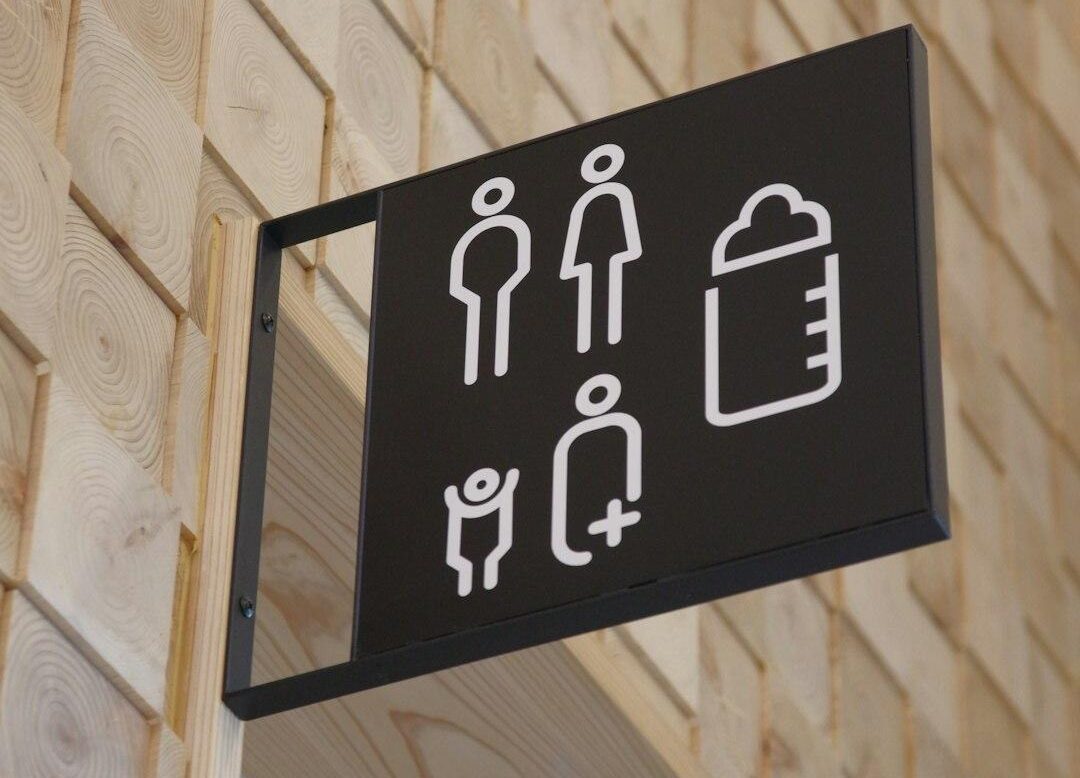
Family-friendly restrooms have become an expectation in public and commercial buildings. Baby changing stations are central to meeting that expectation, serving caregivers who need a safe place to attend to infants. Their inclusion signals a facility that accommodates everyone.
Specifying changing stations involves more than mounting a unit on a wall. Placement, accessibility, and durability all shape how well they serve families. Thoughtful specification makes the difference.
Why Do Facilities Need Changing Stations?
Facilities need changing stations because caregivers require a hygienic, secure surface. Without one, parents are left without a safe option. Providing the fixture meets a basic practical need.
Expectations have shifted toward including these stations in more restrooms. Many jurisdictions and codes now address their provision. Meeting that expectation keeps a facility welcoming.
Where Should Changing Stations Be Placed?
Placement determines whether a changing station is usable and safe. Units must be positioned so they do not obstruct circulation or accessible routes when deployed. Clearances around the station matter as much as the unit itself.
Designers planning family-friendly facilities often specify wall-mounted commercial baby changing stations positioned to maintain accessible clearances and avoid blocking circulation when the unit is folded down. Correct placement keeps the restroom usable for everyone.
Inclusion in both men’s and women’s restrooms is increasingly standard. Caregivers of any gender may need the fixture. Providing it broadly supports all families.
What Safety Features Are Important?
Safety features protect infants during changing. The elements that matter include:
- A secure restraint to hold the child in place
- A sturdy surface rated for the expected load
- Smooth, cleanable materials for hygiene
- A controlled-closure mechanism to prevent slamming
- Clear weight and usage labeling for caregivers
Each feature reduces risk during a vulnerable moment. Restraints and stable surfaces are particularly important. Specifiers verify these on any unit chosen.
How Does Accessibility Apply?
Accessibility considerations extend to changing stations as well. The deployed height and approach must accommodate caregivers using mobility devices. Coordinating these dimensions ensures broad usability.
Maintaining clearances when the unit is open is essential. A station that blocks an accessible route when deployed creates a conflict. Planning placement avoids that problem.
What Maintenance Considerations Apply?
Maintenance keeps changing stations safe and sanitary. Surfaces require regular cleaning given their use. Durable, easily wiped materials simplify that upkeep.
Hardware should withstand frequent folding and unfolding. Robust hinges and latches prevent premature failure. Durability protects both safety and appearance.
What Should Designers Prioritize?
Designers should prioritize safety, accessibility, and durability together. Specifying robust, well-placed units serves families reliably. The investment supports a facility’s welcoming reputation.
Broad placement across restrooms extends the benefit. Caregivers of every kind gain a safe option. That inclusivity reflects modern expectations.
How Does Durability Affect Performance?
Durability determines how long a changing station serves safely. Heavy daily use stresses hinges, latches, and the changing surface. Robust construction keeps the unit dependable.
Materials that resist cracking and staining hold up best. A sturdy surface maintains its rated capacity over time. Durability protects both safety and appearance.
What Hygiene Practices Apply?
Hygiene practices are essential for shared changing surfaces. Regular cleaning between uses limits contamination. Smooth, nonporous materials make that cleaning effective.
Some facilities provide liners or sanitizing supplies nearby. These additions support caregiver confidence. Good hygiene rounds out a safe changing station.
Baby changing stations are a small fixture central to a family-friendly facility. Safe, accessible, well-placed units serve caregivers and signal an inclusive space.
What Weight Ratings Should Specifiers Confirm?
Commercial baby changing stations are typically rated for a specific maximum weight, and specifiers should confirm this rating meets or exceeds what current safety standards recommend rather than assuming all units are interchangeable. A lower-rated unit installed in a high-traffic public restroom carries real liability exposure.
Documentation of the weight rating should be kept on file alongside other fixture specifications for the building. This record matters if a safety question or incident review ever arises after installation.
How Do Horizontal and Vertical Mount Options Compare?
Horizontal wall-mounted stations fold down from the wall and are the most common configuration in public restrooms, offering a familiar, stable surface. Vertical mount options fold down differently and can suit tighter spaces where a horizontal unit would not fit when deployed.
Specifiers should measure the available wall space carefully before choosing between the two, since retrofitting the wrong configuration into a tight restroom often results in a station that cannot fully deploy without obstruction.
What Signage Supports Proper Use?
Clear signage near a changing station, indicating weight limits and proper use, helps prevent misuse and clarifies expectations for caregivers. This is a low-cost addition that pairs well with a properly specified unit.
Facilities that skip this signage rely entirely on the station’s own printed instructions, which are often small and easy to overlook. A larger, clearly visible sign nearby reinforces the same information more effectively.
How Often Should Changing Stations Be Inspected?
Regular inspection of changing stations, checking the restraint mechanism, hinges, and surface condition, catches wear before it becomes a safety issue. Many facilities fold this check into routine restroom maintenance rounds rather than treating it as a separate task.
A documented inspection schedule also provides a useful record if a safety question ever arises. Facilities that can show consistent maintenance history are in a stronger position than those relying on informal, undocumented checks.
For designers, the practical lesson is to specify durable stations with proper placement and clearances. Doing so makes a restroom genuinely usable for families.