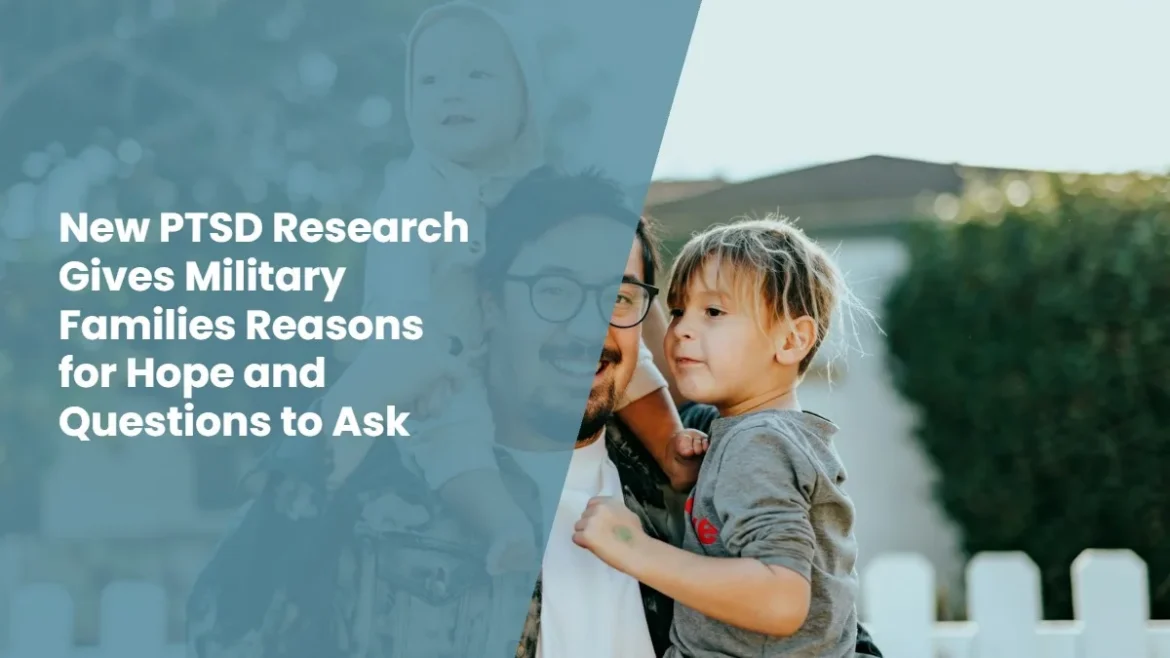
Military families know the weight of trauma in a way few others do. A parent comes home from deployment and seems the same, yet different. Sleep is restless, crowds feel threatening and small things spark anger. Children notice, even when nobody talks about it.
This year brought encouraging news in PTSD research. A personalised form of magnetic brain stimulation received FDA clearance for PTSD, with early company-reported results that caught attention across the veterans community. Here is what families should know.
|
What to know
|
What the New Research Involves
The system, called Magnetic e-Resonance Therapy or MeRT, was developed by Wave Neuroscience with researchers at the Texas A&M Health Institute of Biosciences and Technology. As SciTechDaily reported in August 2026, it combines EEG recordings of brain activity with transcranial magnetic stimulation, using each person’s data to personalise treatment.
Wave Neuroscience reported a 52 percent reduction in symptoms and a 68 percent remission rate in its trial. These figures are preliminary and company-reported, and the full findings were still being prepared for public release. Hope is reasonable, but so is patience while independent data arrive.
Why Families Should Pay Attention
PTSD affects the whole household. Partners take on more responsibility, children may become anxious or withdrawn, and family routines bend around the symptoms of one person. When treatment helps the service member or veteran, the benefits ripple through everyone at home.
Knowing that research is expanding can encourage a reluctant veteran to seek help. Many have tried therapy or medication before and feel nothing else is left. That is rarely true.
Where TMS Stands Today
Standard TMS is FDA-cleared for major depression that has not responded to antidepressants, and depression often accompanies PTSD. For PTSD itself, brain stimulation is still being researched, and families should ask clinicians clearly about what is cleared and what is not.
Some New Jersey clinics explain how TMS is being used for PTSD alongside depression care, and a psychiatrist can explain whether it suits a particular situation. Asking about evidence, insurance coverage and the time involved is always sensible.
Therapy Still Comes First
Trauma-focused therapies, such as prolonged exposure and cognitive processing therapy, have strong evidence for PTSD. Many veterans benefit from them, especially with a therapist experienced in military culture. VA services and community providers both offer these treatments.
Medication can also help with sleep, anxiety and depression. The best plans often combine approaches, adjusted over time as symptoms change.
Treating the Depression That Often Comes With PTSD
Depression is common among people living with PTSD, and it can make every other part of recovery harder. When antidepressants have not helped enough, other options may be worth exploring. PressSphera has a clear explainer on how TMS is used for depression, which covers what a course involves.
Treating depression can give a person more energy to engage with therapy and family life, which supports recovery from trauma as well.
How Families Can Help at Home
Families can help by learning about PTSD, keeping routines predictable and giving space when needed without withdrawing affection. Children benefit from age-appropriate explanations, such as saying that a parent’s brain is working hard to feel safe again.
Partners also need support. Caregiver burnout is real, and joining a support group or speaking to a counselor can help the whole family stay strong.
When Help Seems Out of Reach
Some veterans avoid care because of stigma, long waits or distrust of the system. Others worry that asking for help will affect their career. Article Forge Hub has written about why some patients do not respond to standard antidepressants, a reminder that not responding to one treatment does not mean nothing will work.
Encouraging a loved one to try again, perhaps with a different clinician or approach, can open a new path.
Questions to Ask Any Clinic
Before starting any treatment, ask what it is cleared for, what evidence supports it in your situation and how progress will be measured. Ask how many sessions are involved, whether insurance or TRICARE covers it and what happens if it does not help enough.
For military families, scheduling around deployments, training and moves is another practical concern. Clinics that offer flexible appointment times and clear communication make it far easier to stay with a treatment plan.
Looking After the Caregivers
Spouses and older children often carry quiet stress for years. Their wellbeing matters too, and support groups for military families can offer understanding that friends outside the community may not.
Schools on or near military bases often have counselors familiar with deployment stress, and they can be a helpful first contact for children who are struggling to understand what a parent is going through.
Reasons for Hope
PTSD research is moving quickly, and families have more reasons for hope than a few years ago. Combining proven therapies with new options, chosen carefully with a psychiatrist, gives many people a better chance at recovery.
If anyone in your family is in crisis, call or text 988 and press 1 for the Veterans Crisis Line, available at any hour.