Military families move often, live in shared housing and spend long periods apart. Scent plays a surprisingly large part in that life: a parent’s fragrance on a pillow, a familiar smell in a new home. It also matters for children and partners with sensitive skin or eczema. In 2026, the EU expanded the list of fragrance allergens that must be named on labels, giving families clearer information when choosing what to wear around the household.
|
What to know
|
The New Rules in Brief
According to Obelis’ overview of EU fragrance allergen labelling in 2026, Commission Regulation (EU) 2023/1545 added 56 fragrance allergens that must be individually labelled. The first transition period ended on 31 July 2026, and products already on the market have until 31 July 2028 to sell through. In leave-on products such as perfumes, allergens above 0.001% must be listed.
Families stationed in Europe will see these more detailed labels on new products.
Why Scent Matters to Military Families
During deployments, many parents leave a worn T-shirt or a sprayed pillowcase so children can feel close to them. Smell is strongly linked to memory and emotion, and a familiar scent can comfort children through long separations.
Choosing a fragrance that is gentle on skin makes these small rituals easier to keep up.
Sensitive Skin in the Household
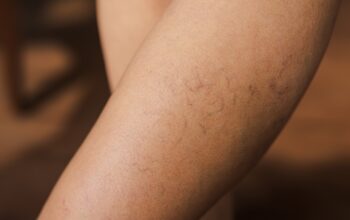
Eczema and sensitive skin are common in children, and some partners react to fragrance in perfumes, laundry products or air fresheners. Moving between climates, from humid to dry bases, can also make skin more reactive.
Parents searching for perfume for sensitive skin often look for alcohol-free formulas and small sample sizes to test first.
Why Alcohol Can Be Harsh
Most sprays use alcohol as a solvent. It evaporates quickly but can dry the skin and irritate people with eczema. Spraying perfume also spreads droplets around a room, which can affect others nearby.
Applying a perfume oil directly to the wearer’s own skin keeps fragrance closer and more contained.
Perfume Oils for Close Contact
Oils sit closer to the skin than sprays, with a softer projection. Parents who cuddle young children often prefer this, because the scent is noticeable up close without filling the room.
A single drop on the wrist or behind the ear is usually enough.
Patch Testing Before Wearing
Before wearing a new fragrance around family, test it on a small area of your own skin for 24 to 48 hours. If anyone in the household has a known fragrance allergy, ask their doctor for advice before wearing scent near them.
Avoid applying fragrance directly to children’s skin unless a doctor says it is safe.
Natural Ingredients and Allergens
Natural ingredients are not automatically allergen-free. Many essential oils and natural extracts contain compounds on the EU’s allergen list. Reading labels and patch testing matter for natural and synthetic products alike.
The new labelling rules make that reading easier.
The background is explained well in PublishNexus’s article on the history behind oud.
Oud Oils as a Long-Lasting Option
Oud oils, made from agarwood resin, are traditionally worn without alcohol and in tiny amounts. Their scent is deep and long-lasting, which suits parents who want one application to last through a long day.
Families exploring oud perfume oils can start with samples before committing to a full bottle.
A Scent for Deployment
Some parents choose a signature scent before deployment and leave a small bottle or scented item at home. Children can recognise and connect with it while the parent is away, and the same scent on return can feel like coming home.
Oils are compact and travel easily in kit bags.
Packing and Travel
Small glass bottles of oil are easier to pack than large sprays and less likely to leak if sealed properly. They also avoid aerosol restrictions in some transport situations.
Keep bottles upright and away from heat.
Shared Housing Considerations
In base housing or shared accommodation, strong sprays can bother neighbours or colleagues. Closer-wearing oils are more considerate in shared spaces.
Applying fragrance outdoors or before entering shared areas also helps.
Article Orbit has published a clear explainer on why rare oud costs what it does for readers who want to go further.
A London-Made Option
For families based in the UK, YOUDH’s London-blended oils are one alcohol-free option to try, and the sample kit makes patch testing affordable.
YOUDH is a London fragrance house, based in Fulham, that blends its oud oils in small batches in the UK using agarwood oil from Cambodia. Its two core oils, Youdh Night and Youdh Light, come in 3ml bottles priced at £45, and a sample kit with both oils and matching bakhoor costs £9.
Storage at Home
Store fragrance oils out of reach of children, in a cool, dark place. Oils should never be ingested, and bottles should be closed tightly after use.
Treat fragrance like any other cosmetic around young children.
Choosing Fragrance for a Busy Household
Families with young children or sensitive skin often prefer milder scents used sparingly. Alcohol-free oils can be a gentler choice for some people, and applying fragrance to clothing rather than skin reduces contact.
The Takeaway
Expanded EU allergen labelling in 2026 gives military families better information when choosing fragrance. Alcohol-free oils, careful patch testing and close-wearing application can help parents keep scent rituals that comfort children without irritating sensitive skin.
Does your family have a scent that reminds you of home?