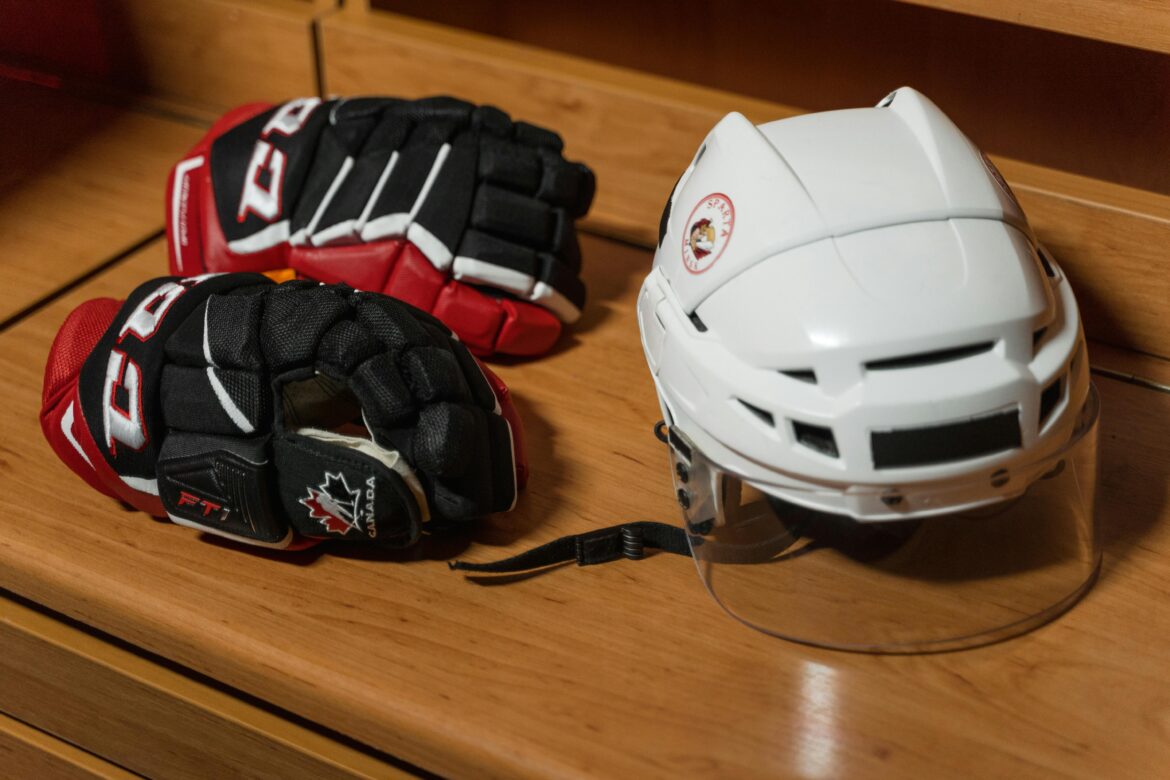
If you have kids in competitive sports, you know the drill. Every season starts with a massive investment in helmets, shin guards, bats, and sticks. By the second week of practice, half of that expensive gear looks identical to everyone else’s in the dugout or on the sidelines. You try to solve the problem with permanent markers that smear or vinyl stickers that peel off the moment they hit the grass, but nothing really lasts.
If you want to give your athlete a look that actually stands out—and ensure their helmet doesn’t end up in someone else’s bag—it is time to look at professional-grade customization. Using water transfer printing (often called hydrographics) allows you to apply high-definition, permanent designs to complex, 3D surfaces that traditional painting simply can’t touch.
From carbon fiber patterns on a batting helmet to custom camo on a lacrosse stick, this process transforms standard equipment into a piece of custom art. Here is exactly how the process works and how you can use it to level up your kid’s sports gear this season.
1. What Exactly is Water Transfer Printing?
Most people assume custom gear is either wrapped in vinyl or meticulously airbrushed by hand. Vinyl wraps are notorious for bubbling and peeling at the edges, and custom airbrushing costs a small fortune.
Water transfer printing bridges that gap. It involves a specialized water-soluble film that contains your printed pattern. This film floats on the surface of a temperature-controlled dipping tank. An activator chemical is sprayed onto the film, turning the pattern into a layer of liquid ink that remains floating on the water’s surface.
When you submerge a sports item—like a football helmet—into the tank, the water pressure forces the ink to wrap perfectly around every curve, vent hole, and crevice. The result is a seamless, 360-degree finish that looks like it was printed directly onto the material at the factory.
2. Why “DIY” Customization Usually Fails
If you’ve spent any time on social media, you’ve probably seen “swirl painting” videos involving a bucket of water and some spray paint. While it looks cool in a thirty-second clip, it is a disaster for sports equipment.
Spray paint lacks the bonding agents needed to stick to the high-impact plastics used in sports gear. More importantly, it adds a thick, uneven layer of weight that can actually interfere with the fit of a helmet or the balance of a baseball bat. Professional water transfer printing uses automotive-grade base coats and clear coats. It creates a finish that is incredibly thin but chemically bonded to the surface. This means it can survive the high-speed impact of a fastball or the constant friction of a hockey puck without chipping or flaking off.
3. Picking the Right Gear for a Dip
Not every piece of equipment is a candidate for hydrographics, but the list of what you can customize is surprisingly long. The general rule is that if the item can be submerged in water and painted with a traditional base coat, it can be printed.
- Batting and Football Helmets: These are the gold standard for customization. You can apply everything from wood grain to digital camo.
- Lacrosse and Hockey Sticks: Because these are often made of composites or alloys, the ink bonds perfectly, giving the shaft a custom look that won’t wear down from hand friction.
- Shin Guards and Catcher’s Gear: Hard plastic shells are perfect for water transfer. It’s a great way to make sure your catcher’s mask is the most recognizable one on the field.
- Golf Club Heads: You can add a subtle carbon fiber or marble finish to drivers and woods to give them a high-end, tour-pro aesthetic.
4. The Step-by-Step Anatomy of a Custom Build
If you’re working with a professional shop, the process is methodical. You don’t just “dunk” the item and call it a day.
First, the item is meticulously cleaned and sanded to remove factory oils and create a “tooth” for the paint. Next, a specific base coat color is applied. This is a critical step because the hydrographic film is partially transparent; the base coat color will bleed through the pattern, allowing you to create custom color combinations (like a red base coat under a black carbon fiber film).
After the dip, the item is thoroughly rinsed to remove the PVA (polyvinyl alcohol) residue from the film. Finally, it receives a high-gloss or matte automotive clear coat. This is the “armor” for the design. It provides UV protection so the colors don’t fade in the sun and creates a hard barrier against scratches and scuffs.
5. Safety First: The Helmet Disclaimer
When customizing safety equipment like football or batting helmets, you have to be careful. Most helmet manufacturers have strict guidelines about what kinds of paints and chemicals can touch the shell. Some solvents can actually soften the plastic, compromising the structural integrity of the helmet and voiding the safety certification.
This is why you never, ever want to try a backyard DIY dip on a helmet. Professional hydrographic shops use specific, non-corrosive primers and water-based activators designed to keep the safety rating intact. Always verify that the shop you are using understands the specific requirements for athletic headgear.
Personalize the Sporting Gear
Youth sports are a major part of a kid’s identity. Giving them gear that reflects their personality—whether it’s a bold neon splatter or a sleek, professional carbon fiber look—builds a sense of pride and ownership. More practically, it makes your life easier as a parent when you can spot your kid’s equipment from across the parking lot.
Stop settling for name-brand gear that looks just like everyone else’s. By utilizing water transfer printing, you can create a durable, professional, and completely unique aesthetic that stands up to the rigors of the season.