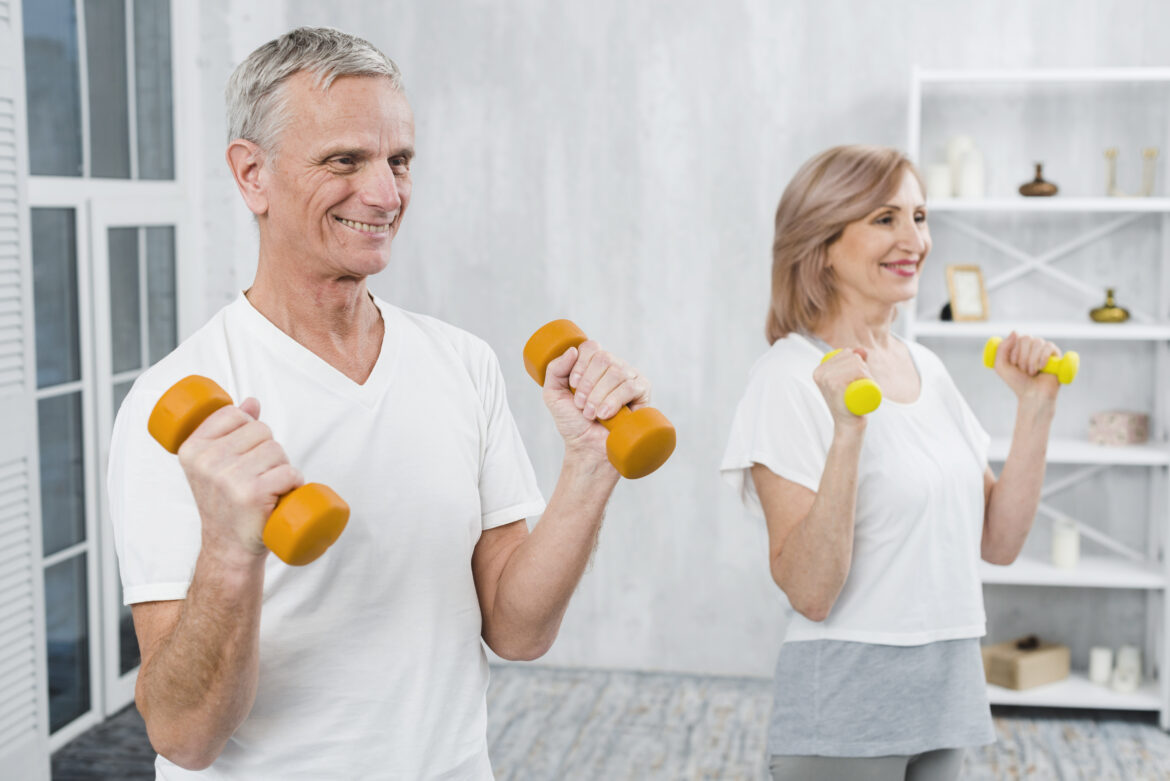
As we get older, it’s easy to fall into the mindset that we should just take things easy. Our joints might ache a little more than they used to, and our energy levels aren’t what they were in our twenties. However, hanging up your running shoes and retiring to the recliner is the exact opposite of what your body needs. For senior adults, staying physically active isn’t just a hobby; it’s a vital component of maintaining a high quality of life and preserving long-term independence.
For some, the idea of walking into a crowded fitness center is intimidating, or driving across town simply isn’t feasible anymore. Thankfully, you don’t have to navigate confusing machines or loud locker rooms to stay in shape. Many older adults find incredible success working with onsite personal trainers who bring customized, safe workouts right to their own homes. Whether you prefer exercising in your living room or your backyard, having professional guidance makes all the difference. Let’s look at a few of the most compelling reasons why you should continue to prioritize your physical fitness well into your golden years.
Preserving Independence Through Muscle and Bone Strength
One of the most noticeable changes that occurs as we age is the natural loss of muscle tissue and bone density. If we aren’t actively working to rebuild that strength, our bodies slowly become weaker, making everyday tasks much more difficult. Carrying groceries, climbing a flight of stairs, or even just getting up from a low chair can suddenly feel like a monumental challenge.
Engaging in regular strength training helps combat this natural decline. You don’t need to lift giant weights to see real benefits. Simple resistance band exercises, light dumbbells, and bodyweight movements prompt your muscles to grow and signal your bones to retain their density. By actively maintaining your physical strength, you’re essentially protecting your autonomy. You won’t have to rely on family members or caregivers to help you manage your daily routine, allowing you to live comfortably in your own home for a much longer period.
Improving Balance and Preventing Dangerous Falls
Falls are a leading cause of injury among older adults, and they often lead to long hospital stays and a permanent loss of mobility. As we age, our natural sense of balance begins to fade, and our reaction times slow down. When you combine this with weakened leg muscles, a simple trip over a rug can easily turn into a life-altering event.
A consistent fitness routine that incorporates balance and stability exercises is your best defense. Working on your core strength helps stabilize your center of gravity, while single-leg exercises train your brain and muscles to react quickly if you happen to lose your footing. When you feel confident in your balance, you’re less likely to restrict your activities out of fear. You can continue gardening, walking the dog, and playing with your grandchildren without constantly worrying about taking a tumble.
Managing Chronic Conditions and Heart Health
It’s very common for seniors to deal with a variety of chronic health conditions, from hypertension and high cholesterol to arthritis and type 2 diabetes. While medication plays a crucial role in managing these ailments, physical activity is often just as effective in keeping symptoms under control.
Regular aerobic exercise, like brisk walking, swimming, or cycling, strengthens your heart muscle, lowers your resting heart rate, and improves overall circulation. This helps reduce your risk of serious cardiovascular events. If you suffer from stiff, aching joints due to arthritis, movement is actually the best medicine. Gentle exercise lubricates the joints and strengthens the surrounding muscles, which alleviates pain and improves your overall range of motion. Staying active allows you to manage your health proactively rather than just reacting to symptoms as they appear.
Boosting Cognitive Function and Mental Wellness
The benefits of exercise aren’t just physical; they extend deep into your mental and emotional well-being. Getting older can sometimes feel isolating, and it’s not uncommon for seniors to struggle with bouts of depression or anxiety. Physical activity is a natural mood booster. When you exercise, your brain releases endorphins, which are natural chemicals that promote feelings of happiness and relaxation.
Beyond just improving your mood, staying fit actually protects your brain. Regular cardiovascular exercise increases blood flow to the brain, which helps stimulate the growth of new neural connections. Studies consistently show that older adults who remain physically active have better memories, sharper focus, and a reduced risk of developing cognitive decline. Working out keeps your mind just as sharp as your body.
A Stronger, Healthier Future
Embracing a fitness routine later in life might feel like a daunting task, especially if you haven’t exercised in a while. The good news is that it’s truly never too late to start reaping the benefits. You don’t have to run marathons or spend hours lifting weights to see an improvement in your health. Starting with just a few minutes of daily movement and slowly building your endurance will yield incredible results. By making your physical health a top priority, you’re investing in a happier, more vibrant, and highly independent future. Your golden years should be spent enjoying your favorite activities to the fullest, and staying fit is the best way to ensure you can do exactly that.