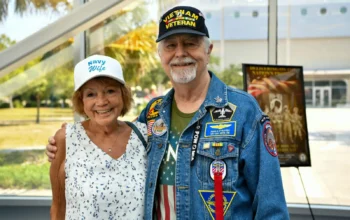
As National Home Front Heroes Day approaches on May 9, attention is turning to the civilian systems that support service members and their families. The day is intended to recognize those on the “home front,” including people whose work helps sustain military life in communities across the country.
One of the most significant of these systems is healthcare. Military healthcare is not delivered solely through military hospitals and clinics. It also relies heavily on civilian providers across the country.
More than 65% of care for beneficiaries in the Military Health System is purchased from civilian providers. In practical terms, most military healthcare depends on outside hospitals, clinics, and contractors rather than being delivered exclusively within military treatment facilities.
A blended system of care
The Military Health System operates through a mix of direct care and purchased care. Direct care is provided in military hospitals and clinics. Purchased care is delivered by civilian doctors, hospitals, and other healthcare organizations that treat military beneficiaries under contracted arrangements.
Military families may receive care in either setting depending on where they live, what services are available locally, and whether military facilities can meet patient needs. In many cases, patients are referred to civilian providers for routine care, specialty treatment, mental health services, and other medical needs.
This creates a system where healthcare is shared across military and civilian networks rather than contained within a single system.
Civilian providers as a primary source of care
Because a large portion of care is delivered outside military facilities, civilian healthcare providers play a central role in serving military families. Hospitals, outpatient clinics, and private practices in communities across the country often provide the majority of care for beneficiaries.
This reliance reflects both geography and capacity. Military treatment facilities are not present everywhere, and even where they exist, they may not offer all needed services. Civilian providers help fill those gaps and expand access to care across regions and specialties.
As a result, military healthcare is closely connected to the broader civilian healthcare system, especially in areas with significant military populations.
Coordination across systems
When care is delivered across both military and civilian providers, coordination becomes essential. Patients may move between systems depending on referrals and service availability, which requires communication across multiple organizations.
Medical records, treatment plans, and follow-up care often need to be shared between military and civilian providers. This makes coordination a key part of ensuring continuity of care for military families.
A shared responsibility
Civilian healthcare providers are an important part of how care is delivered to service members, retirees, and their families. Through purchased care arrangements, they help extend access to medical services beyond military facilities.
In many communities, civilian providers serve as the main point of care for military families, particularly when military facilities are limited or over capacity.
Experts like Jim Maguire, co-founder of Government Market Strategies, note that strengthening this connection is important to ensuring those on the home front continue to have access to reliable care.
Looking ahead
As National Home Front Heroes Day highlights the contributions of those who support military families, it also draws attention to how military healthcare depends on both military and civilian systems working together.
With more than 65% of care purchased from civilian providers, most military healthcare relies on outside hospitals, clinics, and contractors.
This blended model continues to shape how care is delivered, making coordination between systems a central part of supporting military families across the country.