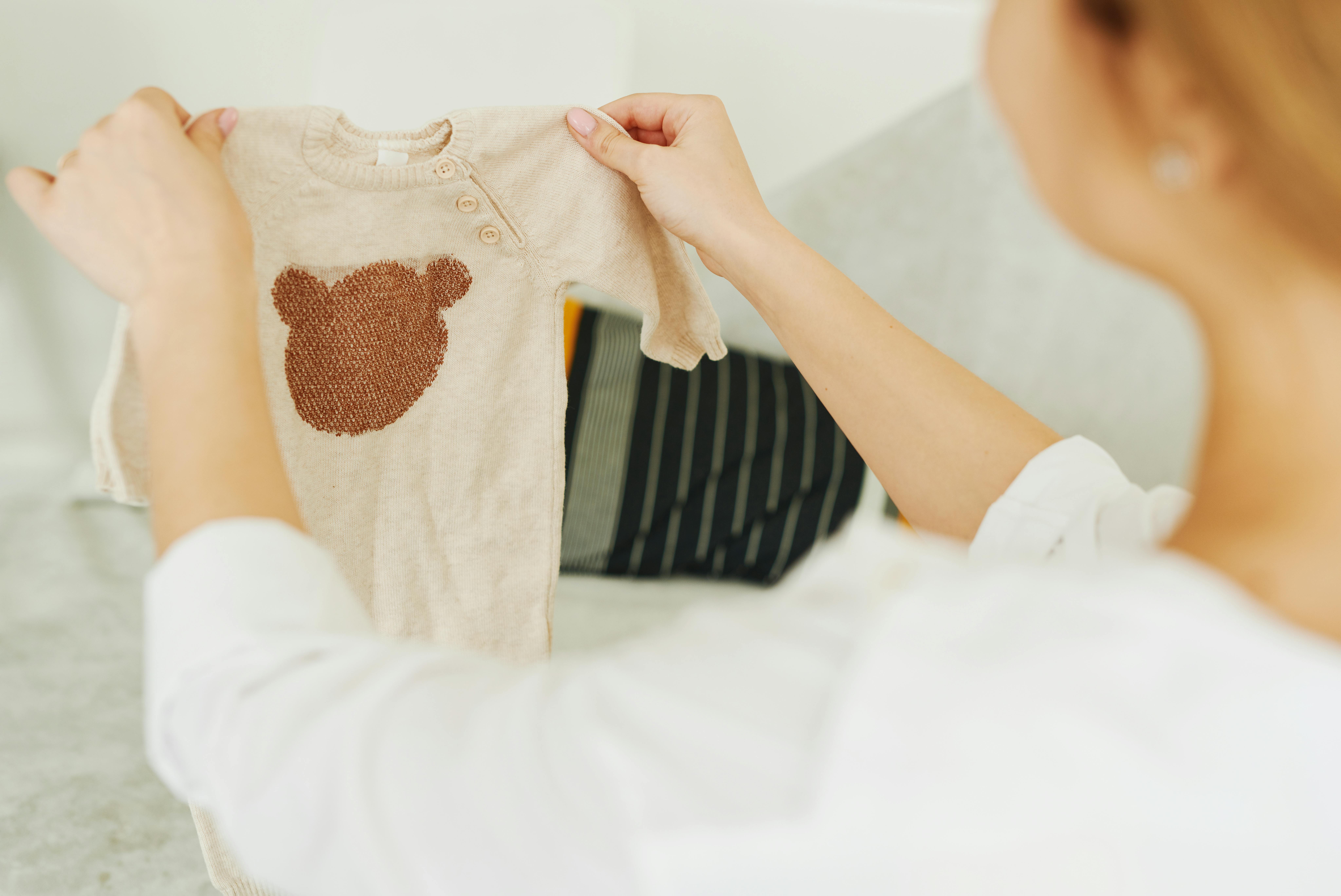
When parents shop for their new baby, they tend to look at the big picture. They check the softness of the cotton, the cuteness of the print, and the overall functionality of the garment or blanket. But beneath those adorable pastel fabrics lies a tiny, structural component that holds the entire piece together. Choosing the right commercial sewing thread is actually one of the most critical decisions a manufacturer makes when designing items for infants. It might seem like a minor detail, but the type of yarn used to stitch a onesie or a plush toy directly impacts the safety, comfort, and longevity of the final product. Let’s look at exactly how manufacturers select and use these specialized materials to create the baby gear parents rely on every day.
Prioritizing Softness for Sensitive Skin
Babies have incredibly delicate skin that is prone to rashes and irritation. If a manufacturer uses a stiff or scratchy thread, the seams of a garment will constantly rub against the infant, creating uncomfortable friction and causing severe discomfort.
To prevent this, engineers usually opt for highly textured or spun polyester threads for the inner seams of baby clothes. These specific fibers are engineered to be incredibly soft and pliable. When you run your hand along the inside of a high-quality baby pajama set, you can barely feel the stitches. This level of comfort doesn’t happen by accident; it’s a deliberate choice by designers to ensure the structural components of the clothing don’t irritate the baby while they sleep or crawl.
Surviving the Laundry Machine
Anyone who has spent time around an infant knows that their clothes, blankets, and burp cloths rarely stay clean for long. Baby products are subjected to a staggering amount of laundry cycles, often requiring hot water and specific detergents to remove stubborn stains.
If the stitching is weak, the garment will literally fall apart at the seams after just a few trips through the wash. Industrial threads used in infant manufacturing are specifically chosen for their high tensile strength and colorfastness. They have to withstand the harsh environment of a washing machine without shrinking, breaking, or bleeding dye onto the surrounding fabric. A well-constructed baby blanket can be washed hundreds of times and still hold its shape perfectly, entirely thanks to the durable yarn holding its edges together.
Strict Safety and Chemical Standards
Making products for newborns involves navigating a maze of strict safety regulations. Babies explore the world by putting everything into their mouths, which means every component of a toy or piece of clothing must be completely non-toxic.
Manufacturers must source threads that comply with strict international safety certifications, ensuring they are free from harmful chemicals, lead, and dangerous dyes. The stitching on items like plush toys or pacifier clips must be incredibly secure. If a seam bursts open, the internal stuffing or small plastic components become an immediate choking hazard. Strong, industrial-grade stitching guarantees that buttons stay firmly attached and stuffed animals keep their filling safely contained, giving parents much-needed peace of mind.
Matching the Thread to the Fabric Type
Baby clothing is often made from stretchy knits, allowing the child to move freely and making it easier for parents to pull garments over a tiny, wobbly head. When you sew a stretchy fabric, you need a thread that can stretch along with it.
If a manufacturer uses a rigid thread on a flexible cotton knit, the seam will pop the second the fabric is pulled. To solve this, factories utilize specialized stretch threads, particularly in the bobbin or lower looper of their sewing machines. This allows the seams around the neckline, wrist cuffs, and leg openings to expand comfortably without breaking. It takes a careful balance of tension and material science to get this right, ensuring the garment retains its shape after being stretched out by an active toddler.
Versatility Across the Nursery
The application of these materials extends far beyond just tiny socks and onesies. Think about modern cloth diapers. These products require specialized threads that won’t degrade when exposed to constant moisture and acidity, while also remaining soft against the skin.
Crib sheets and waterproof mattress protectors rely on strong, stretchable seams that can handle being pulled tightly over the corners of a mattress without snapping. Even structural items like baby carriers and strollers depend on high-strength industrial yarns to ensure the safety straps and weight-bearing seams never fail. Every single fabric product in the nursery relies on a specific type of stitching designed to meet its unique functional requirements.
The Foundation of Quality
Building reliable gear for infants requires a deep understanding of materials from the microscopic level all the way up. While parents will always be drawn to cute designs and soft fabrics, the true quality of a product is defined by how well it holds together under pressure.
By utilizing specialized stitching materials, manufacturers can ensure their garments and toys survive the daily chaos of parenthood. The next time you fold a tiny baby shirt or tuck your child in with their favorite stuffed animal, take a second to notice the intricate stitching. It’s a small detail, but it’s the very foundation of the products that keep babies safe, comfortable, and warm.