We all want that specific feeling when we turn onto our street. It’s the exhale. The loosening of the shoulders. It’s the sense that the chaos of the city, the stress of the highway, and the unpredictability of the outside world have been left behind. Home shouldn’t just be a place where you sleep; it should be a sanctuary.
However, in many residential communities, that feeling is becoming harder to maintain. Porch pirates snatching packages, aggressive solicitors ignoring “No Trespassing” signs, and catalytic converter thefts have become common frustrations even in “safe” zip codes. Automated gates are a good first step, but they are mechanical. They can be tricked, forced open, or simply followed through.
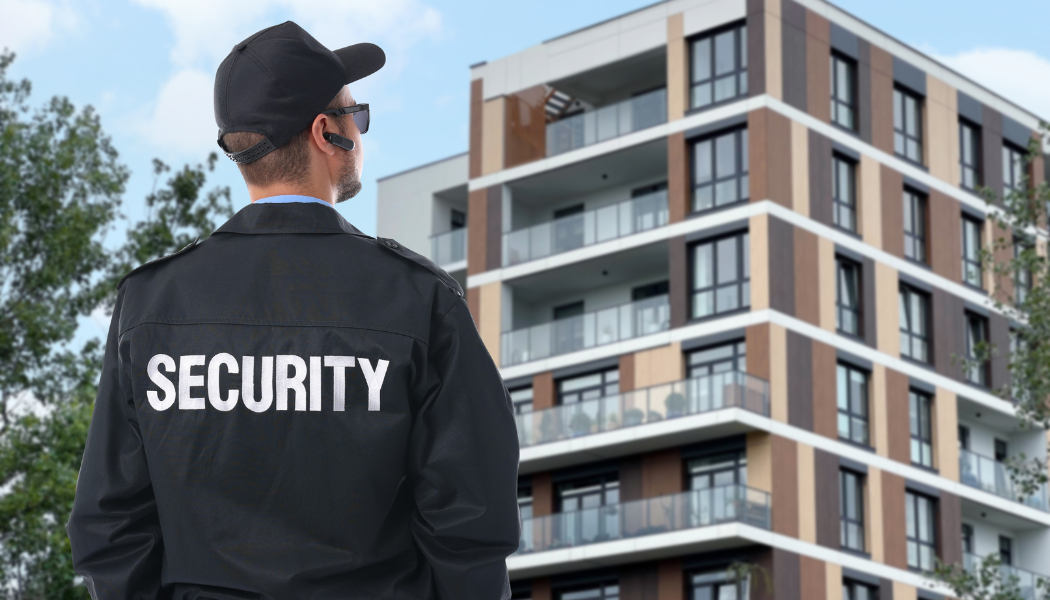
To truly secure a community, you need eyes on the ground. This is where the physical presence of a dedicated security booth transforms a simple entrance into a true checkpoint. It signals to the world that this neighborhood takes its safety seriously, and that shift in perception is often enough to stop trouble before it ever pulls into a driveway.
Here is a look at how a manned guard station acts as the ultimate neighborhood amenity, protecting both property values and peace of mind.
1. The Psychology of the Hard Target
Criminals are generally lazy. This isn’t an insult; it’s a behavioral fact. Most property crimes—burglary, vandalism, theft from unlocked cars—are crimes of opportunity. Perpetrators are looking for the path of least resistance. They are looking for soft targets. An open street is a soft target. An automated gate that stays open for 30 seconds is a soft target.
A manned booth, however, represents a hard target. When a potential thief scouts a neighborhood and sees a structure at the entrance with a light on and a person inside, the risk-to-reward ratio instantly skews against them. They don’t know if that guard is armed. They don’t know if the guard has already written down their license plate number. They don’t know if the police are already on speed dial.
Usually, they won’t stick around to find out. The mere visual presence of the booth acts as a psychological barrier that is far more effective than a camera. A camera records the crime; a guard booth prevents it.
2. Solving the Tailgating Problem
If you live in a gated community with a keypad entry, you know the drill. A resident punches in their code, the gate swings open, and three other cars rush through behind them before the arm comes down. It’s called tailgating, and it renders the gate almost useless.
When you have a guard stationed at the entrance, tailgating disappears. The guard controls the flow. They process one vehicle at a time. If a visitor is trying to sneak in behind a resident, the guard is there to stop the line and verify credentials. This ensures that the only people driving past your house are the people who actually live there or were invited there.
3. The End of the Porch Pirate
The rise of online shopping has created a new category of neighborhood nuisance: package theft. In some areas, having a box left on your doorstep is a gamble.
A security booth offers a centralized solution to this logistics nightmare. Many communities now utilize their guard stations as receiving hubs. Couriers drop packages at the secure booth rather than leaving them exposed on porches. The guard logs the package and notifies the resident, or holds it until the resident drives in from work.
This essentially eliminates package theft. It also keeps wandering delivery trucks off the residential streets, which reduces noise and traffic congestion.
4. Speed Control and Street Safety
Neighborhoods are full of kids on bikes, dog walkers, and joggers. They are also full of delivery drivers under strict time pressures and teenagers in a hurry. Speeding on residential streets is a constant complaint in almost every HOA meeting.
A guard booth acts as a natural traffic calming device. You cannot fly through a manned checkpoint at 40 mph. You have to stop, interact with a human, and proceed slowly.
This reset of the driver’s speed carries over into the neighborhood. Because the driver has been forced to pause and engage, they are more likely to drive cautiously once inside the perimeter. It changes the mindset from thoroughfare to private property.
5. The Effect on Property Value
Let’s look at the financial side. Safety is a commodity. When a family is looking to buy a home, they are willing to pay a premium for security.
A neighborhood with a staffed gatehouse carries an air of exclusivity and prestige that a standard subdivision lacks. It implies that the community is well-managed and funded. Real estate agents will be the first to tell you that homes in guarded communities often hold their value better during market downturns and sell faster than comparable homes in open neighborhoods.
The guard often functions as a concierge. They can give directions to contractors, manage guest lists for parties so the host doesn’t have to run to the phone every five minutes, and call residents to let them know their pizza has arrived. This level of service elevates the lifestyle of the entire block.
6. Emergency Response Coordination
In a true emergency—a fire or a medical crisis—seconds matter. In sprawling subdivisions, navigating the winding streets to find “124 Maple Court” can be confusing for ambulance drivers or fire trucks, especially at night.
A guard at the entrance becomes a critical asset in these moments. When emergency sirens approach, the guard can lock the gate open to ensure unhindered access. They can flag down the first responders and direct them immediately to the correct house, shaving precious minutes off the response time. In some cases, guards trained in CPR or first aid can be on the scene before the ambulance even arrives.
We often think of technology as the solution to everything. We install doorbell cameras, motion sensors, and smart locks. While those tools are valuable, they are reactive. They tell you after someone is on your porch.
A security booth is proactive. It reclaims the boundary of the neighborhood. It re-establishes the idea that a neighborhood is a private, shared space where residents look out for one another. By investing in a proper shelter and a human presence, a community isn’t just buying a guard; they are buying the freedom to let their kids play in the front yard without worry. And you can’t put a price tag on that.